Repair & Restoration · Greater Boston
Stucco Repair Boston: Cracks, Chimneys & Exteriors
Cracked, spalling or water-damaged stucco repaired to last, with the texture matched cleanly to the original. Written estimate, owner on the job.
Cracked, spalling or water-damaged stucco repaired to last, with the texture matched cleanly to the original. Written estimate, owner on the job.
Stucco is durable, but New England winters are hard on it. Freeze-thaw cycles, settling and water find the weak points and open cracks that let more water in, which speeds up the damage. Left alone, a hairline crack becomes a spalled, crumbling section.
Ezra Plastering repairs stucco on walls, chimneys and exteriors across Greater Boston, matching the existing texture so the repair blends in instead of standing out. We fix the cause, not just the surface, so it holds through the next winter.
The most common issues are cracking from settling and freeze-thaw, spalling where the surface flakes away, staining and efflorescence from trapped moisture, and full sections that have separated from the wall. We diagnose which one you have before quoting, because the fix is different for each.
Exterior stucco takes the full force of the weather. We cut back to sound material, address any moisture path behind the stucco, rebuild in coats, and match the texture and color so the patch disappears into the wall. A repair that does not match is just a different kind of eyesore.
Chimneys are one of the most exposed and most neglected stucco surfaces on a house. Cracks here let water into the masonry and into the home. We repair stucco chimneys carefully, sealing the cracks and rebuilding the surface so water stays out.
Some homes have EIFS, a synthetic stucco system over foam. It repairs differently from traditional cement stucco, and getting it wrong traps moisture. We identify which system you have and repair it correctly.
We assess the cause, remove failed material, address any water issue behind it, rebuild in the right coats and match the finish. Floors, landscaping and adjacent surfaces are protected, and the site is cleaned when we leave.
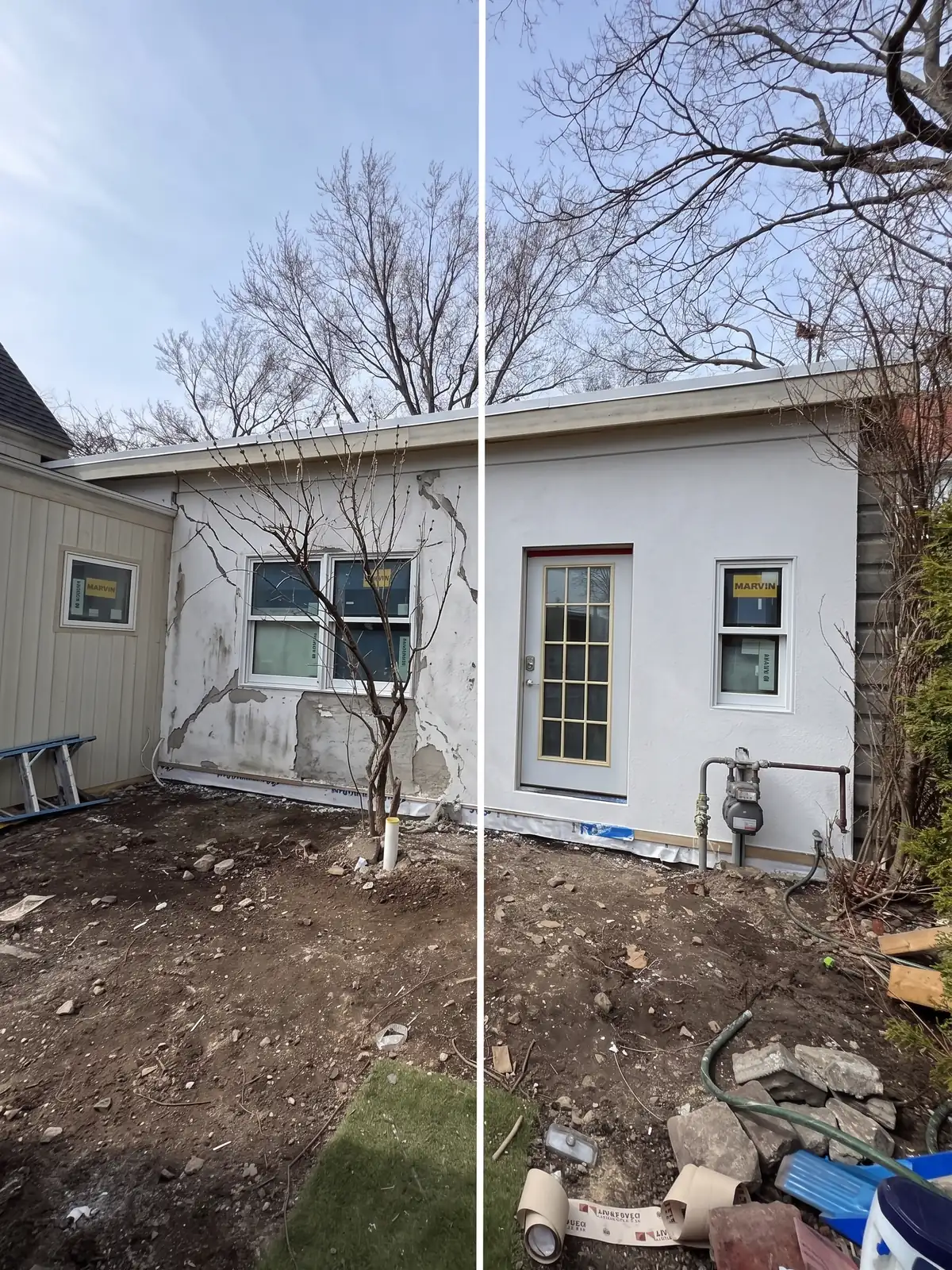
Actual project photos, not stock images or renders.
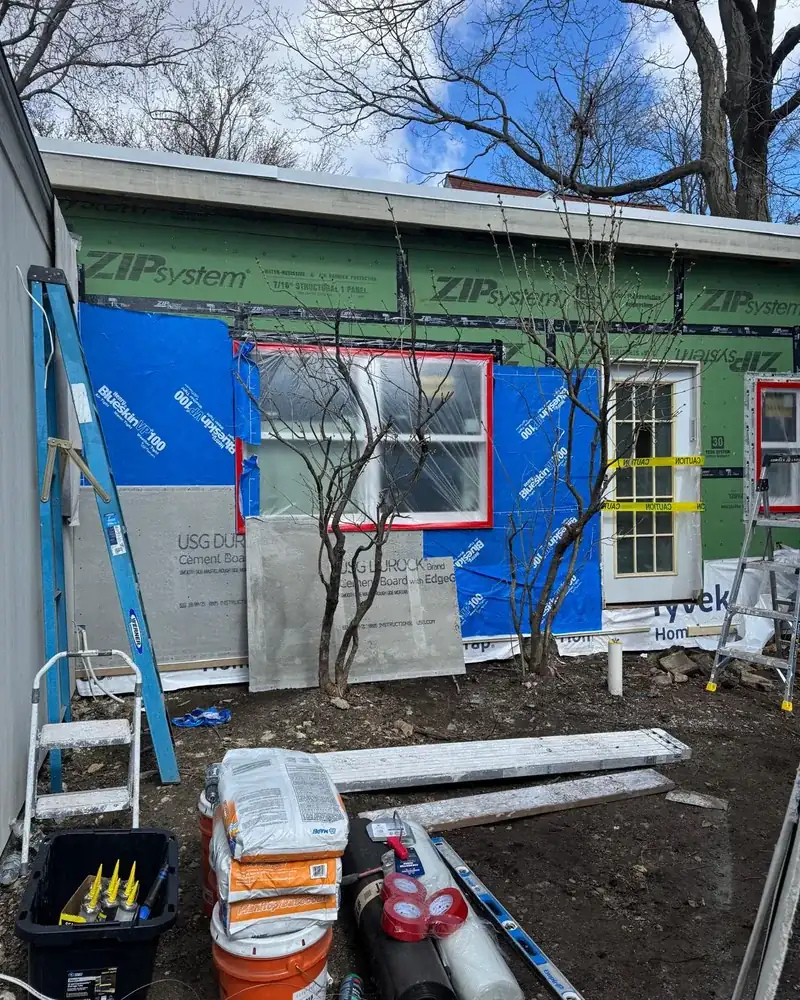
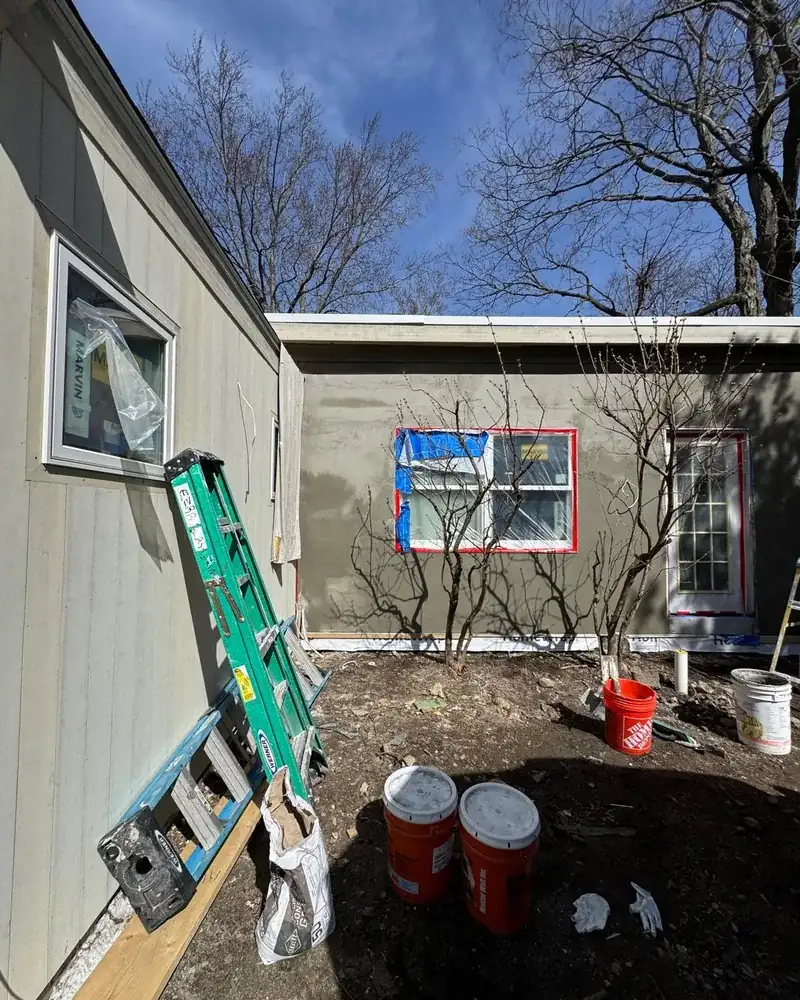
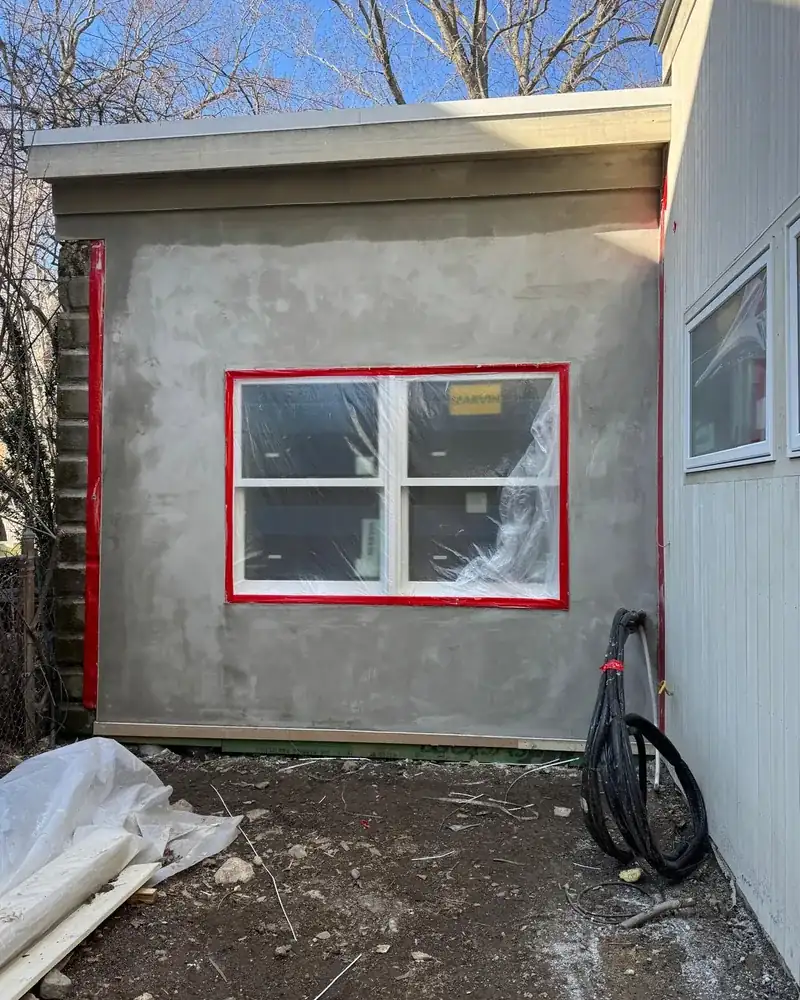
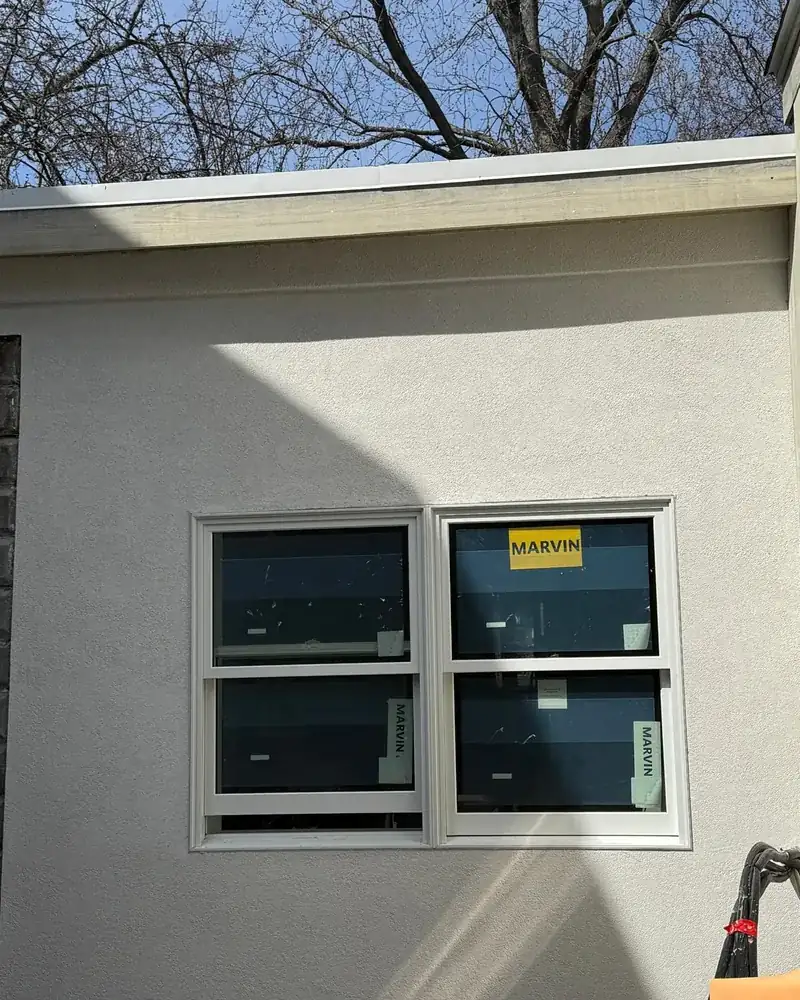
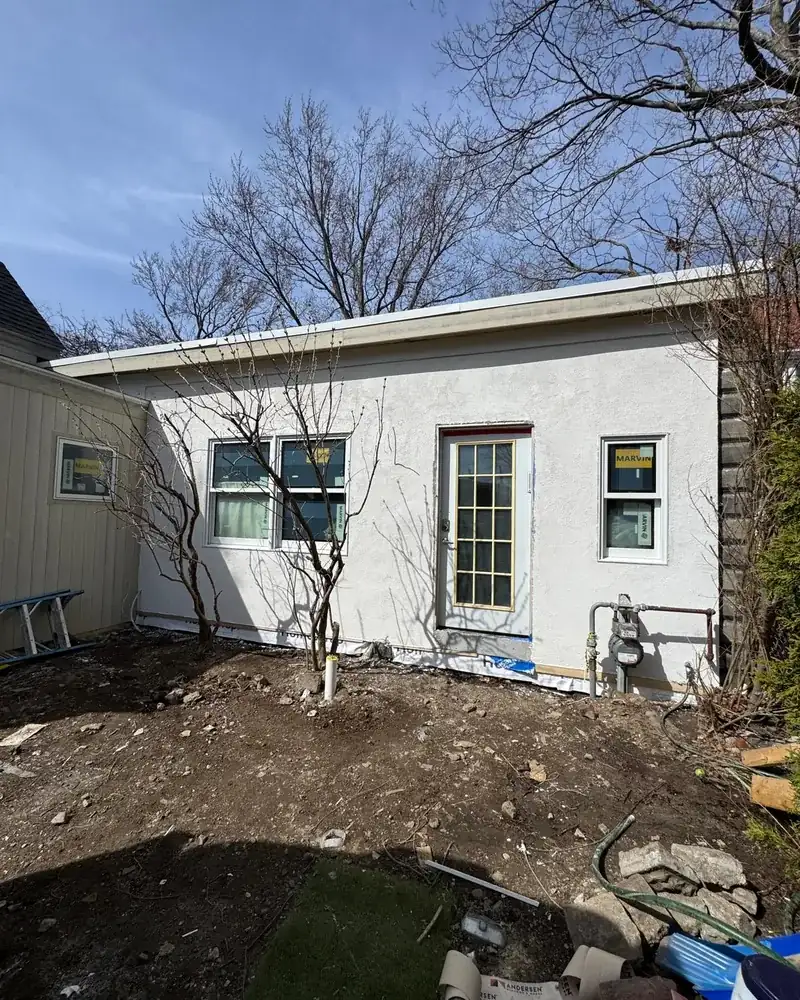
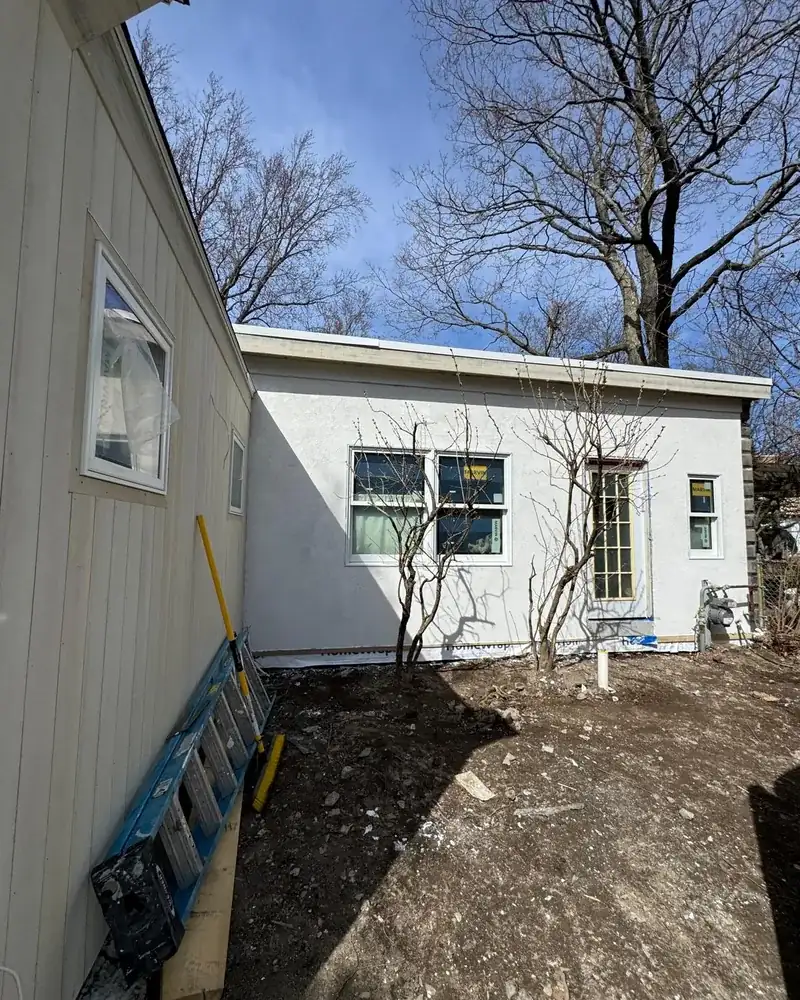
Traditional cement stucco and modern synthetic (EIFS) systems both crack and fail in predictable ways here: freeze-thaw cycles open hairline cracks, chimneys and parapets take the worst of the weather, and failed flashing lets water in behind the coating where it does the real damage.
We match the repair to the system. Hairline cracks in cement stucco are cut, filled and textured to blend; larger failures get the loose material removed back to sound substrate and rebuilt in layers. On EIFS we check the drainage plane and flashing, because patching the surface over a wet wall only hides the problem.
Chimneys are the most common call: we repair the crown and the stucco together so water stops getting in at the top, which is usually where it started.
Two stucco jobs that look identical from the ground can cost very differently, because what matters is what is happening behind the surface. A cosmetic hairline crack is a quick fix; a section where water has gotten in behind the coating and rotted the substrate is a rebuild.
We inspect the crown, flashing and drainage first, especially on chimneys, which are the most common failure point in Greater Boston, then quote the actual repair needed rather than the cheapest patch that will fail again next winter. You get a detailed written estimate before we start.
Stucco rarely fails all at once. It sends signals first, and catching them early is the difference between a patch and a rebuild. The most common signs we see on Greater Boston homes are hairline cracks that get longer every winter, cracks that run diagonally from the corners of windows and doors, and areas that sound hollow when you tap them.
Staining is another warning. Dark streaks running down from a window sill, a rust colored line under a light fixture, or a white chalky bloom (efflorescence) on the surface all mean water is moving through the wall. Bulging, soft spots or pieces of stucco breaking off at the bottom of a wall mean the moisture has been there for a while.
Inside the house, a damp smell, peeling paint or a water stain on a wall behind a stucco exterior is often the first clue. If you see any of these, it is worth having the wall looked at before the next freeze.
Not every stucco problem needs the same fix. We sort every job into one of three levels so you only pay for what the wall needs.
Patch repair. Isolated cracks and small damaged areas where the substrate behind is dry and sound. We open the crack, fill it with a compatible material and texture the surface so it blends with the existing finish.
Recoat. When the stucco is structurally sound but covered in many fine cracks, or the finish has worn and started to absorb water, a new finish coat over the prepared surface restores protection and appearance without tearing the wall apart.
Remediation. When water has gotten behind the stucco, the damaged section is removed back to sound material, the cause (flashing, sill, roof line, crown) is corrected, the lath and weather barrier are repaired, and the stucco is rebuilt in proper coats. This is the only repair that lasts when the problem is behind the surface.
The part homeowners worry about most is whether the repair will show. A patch with the wrong texture or the wrong shade can look worse than the crack it replaced. We study the existing finish first: the aggregate size, the trowel pattern, whether it is a sand, dash, smooth or float finish, and how the color has weathered.
When the finish is unusual we build a sample area first, and we plan repairs to end at natural breaks such as corners, trim lines and control joints, so the eye does not catch a seam in the middle of a wall. On older homes where the color has faded unevenly, recoating the full elevation is sometimes the cleanest way to get a uniform look, and we tell you that up front.
Many older homes around Boston, Brookline and Newton were finished with lime based stucco or early cement mixes that behave very differently from modern Portland cement stucco. Lime stucco is softer and lets the wall breathe; patching it with a hard, modern cement mix can trap moisture and make the old material around the repair crack and fall away.
Before we repair an older facade, we identify what is on the wall and choose a compatible repair material. On historic homes this is not a detail, it is what keeps the repair from failing in two or three winters.
In our experience the stucco itself is rarely the original problem. Water gets in at the details: a window head without proper flashing, a deck ledger tied into the wall, a roof line that dumps water onto a wall, a cracked chimney crown, or a stucco wall that runs straight into the soil with no weep screed at the bottom.
That is why every stucco repair we quote starts with finding the water path. Fixing the surface without fixing the detail that let water in means paying for the same repair again. When the cause is outside our scope, such as a roof or a window replacement, we say so and coordinate the order of work with you so the stucco goes back on a dry, corrected wall.
Most patch repairs are completed in a day or two. Larger remediation work takes longer because stucco is applied in coats and each coat needs time to cure. In New England the weather sets the schedule: we do not apply stucco in freezing conditions or heavy rain, because a repair that freezes before it cures will fail.
We protect landscaping, walkways and windows before we start, keep the work area tidy during the job and clean up when we leave. You get a detailed written estimate with the scope and the timeline before any work begins.
A few habits make a repaired stucco wall last. Keep gutters clean and downspouts pointed away from the wall. Keep sprinklers from spraying the stucco. Keep soil and mulch a few inches below the bottom edge of the stucco. Walk around the house once a year, ideally in spring after the freeze-thaw season, and have any new crack sealed while it is still small.
If you are not sure whether a crack is cosmetic or a sign of something bigger, send us a photo. We will tell you honestly whether it needs attention now or can wait.
Not all stucco is on the walls of the house. Many Greater Boston homes have a cement parge coat over the exposed foundation, stuccoed garden and retaining walls, stucco around entry steps, and stuccoed chimney chases. These surfaces sit closest to the ground and take the most water, salt and frost, so they are often the first to crack, flake or let go.
Repairing them follows the same rule as the rest of the house: remove what has failed, deal with the water that caused it, and rebuild with a compatible material in the right number of coats. On foundations we make sure the repair does not seal moisture into the wall, and on garden walls we look at the cap and drainage, because a wall that collects water on top will crack again no matter how good the patch is.
Whether you hire us or someone else, these questions protect you from a repair that looks fine in October and fails by March.
What do you think caused the damage? A contractor who cannot explain the water path is guessing. What system is on my wall? Cement stucco, lime stucco and EIFS each need a different repair. Will the repair be visible? Ask how they plan to match the texture and color, and where the repair will end. What is included in the estimate? Protection, removal, flashing work, finish coats and cleanup should all be in writing. What happens if the weather turns? A good contractor will reschedule rather than apply stucco in freezing or wet conditions.
We answer all of these in writing before we start. If a repair is not worth doing, or the real problem is the roof or a window, we will tell you that too. Every written estimate explains in plain language what caused the damage, which areas need work, the repair method we recommend and the expected timeline, so you can compare quotes from different contractors on the same terms.
Yes. Matching the texture and color is the whole point of a good repair. We blend the patch into the surrounding wall so it does not stand out.
Usually freeze-thaw, settling or trapped moisture behind the stucco. We address the cause, not just the crack, so it does not simply reopen.
Yes. Chimneys are highly exposed, and cracked stucco there lets water into the masonry. We seal and rebuild the surface to keep water out.
We identify the system on site. Traditional cement stucco and synthetic EIFS repair differently, and using the wrong method can trap moisture.
 Repair & Restoration
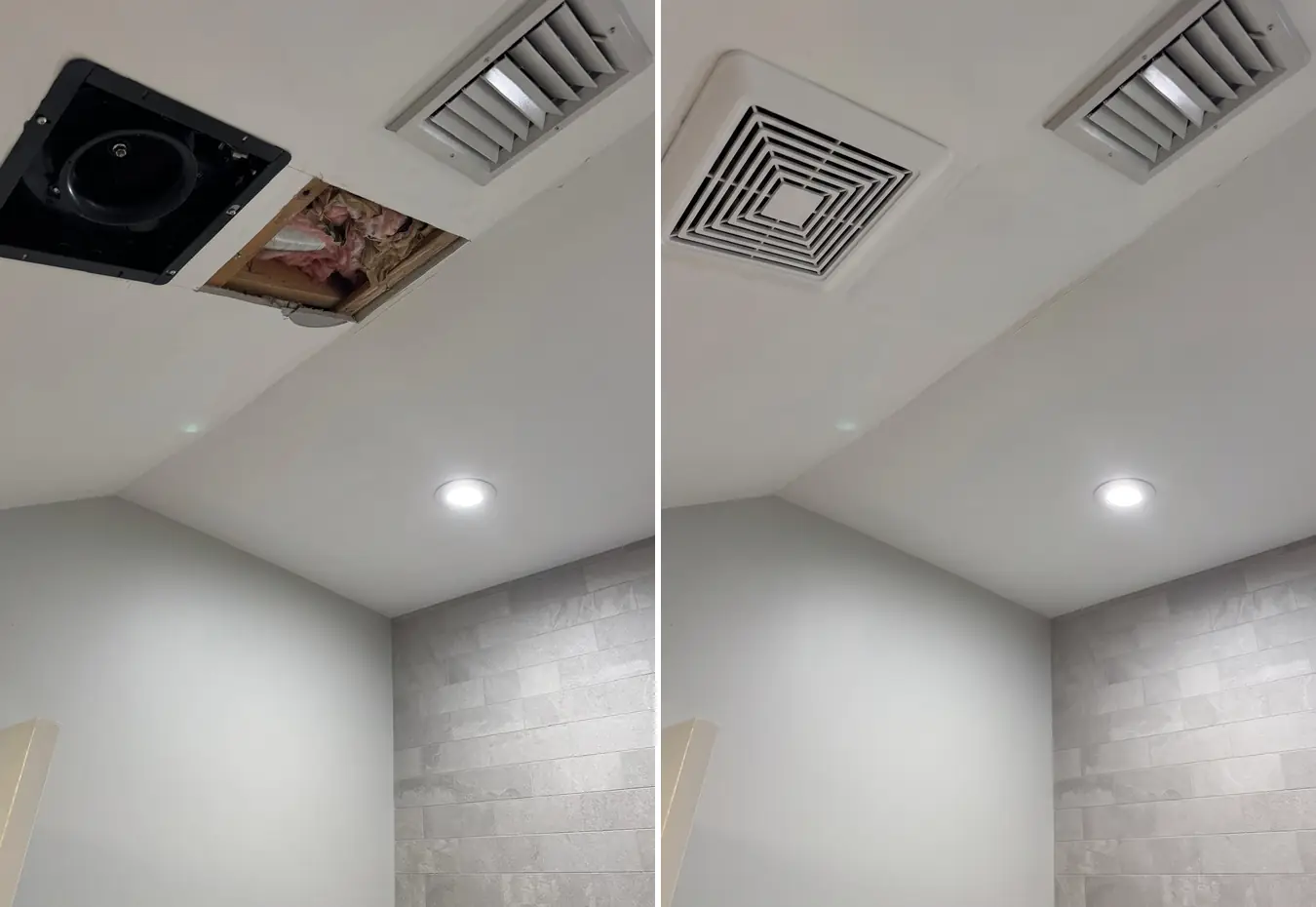
Cracks, sagging and old lath-and-plaster ceilings restored cleanly, on the day we promise.
Learn more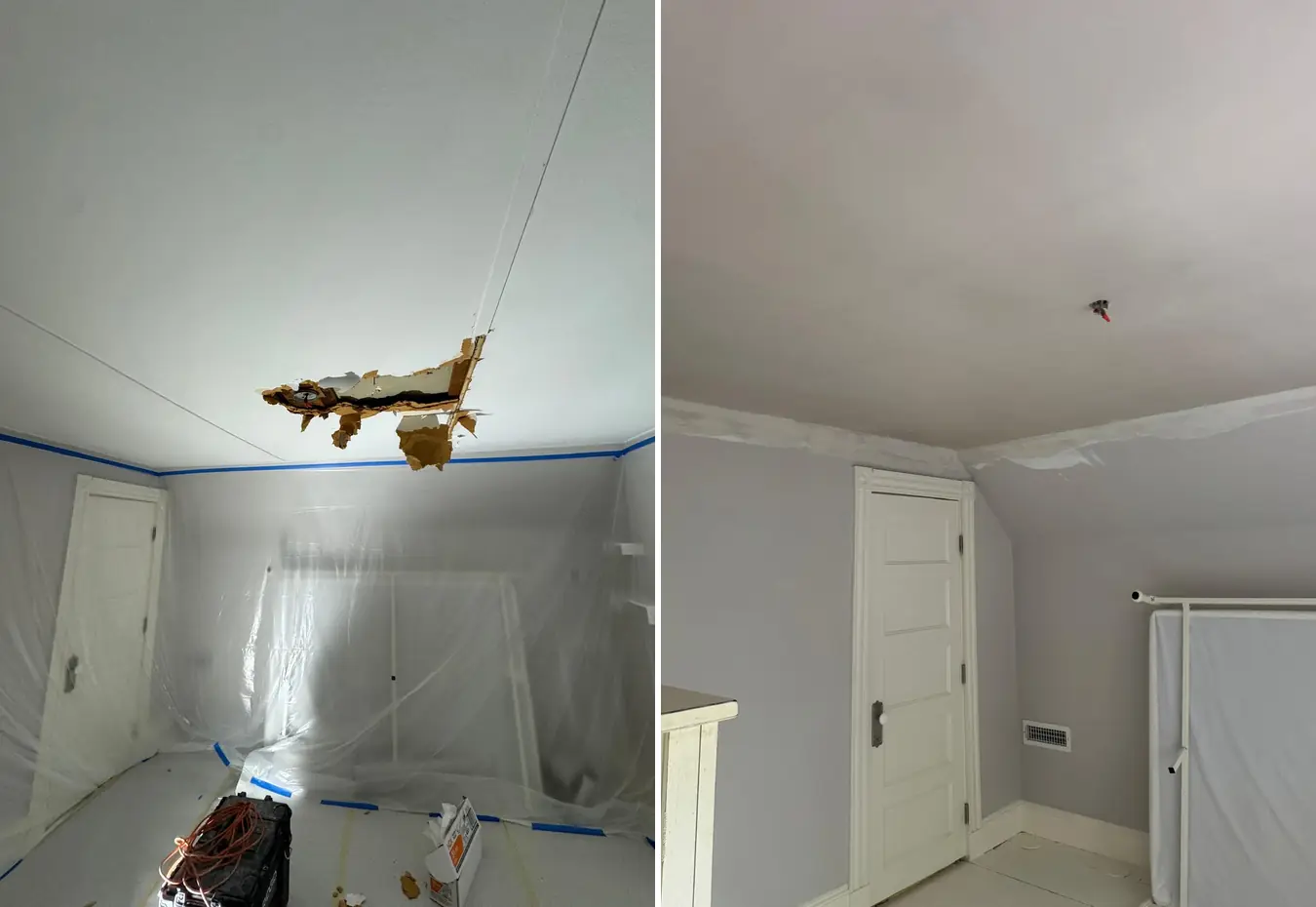 Fast Response
Water-stained or damaged ceiling? We respond fast, give you a detailed written estimate, and leave no mess behind.
Learn more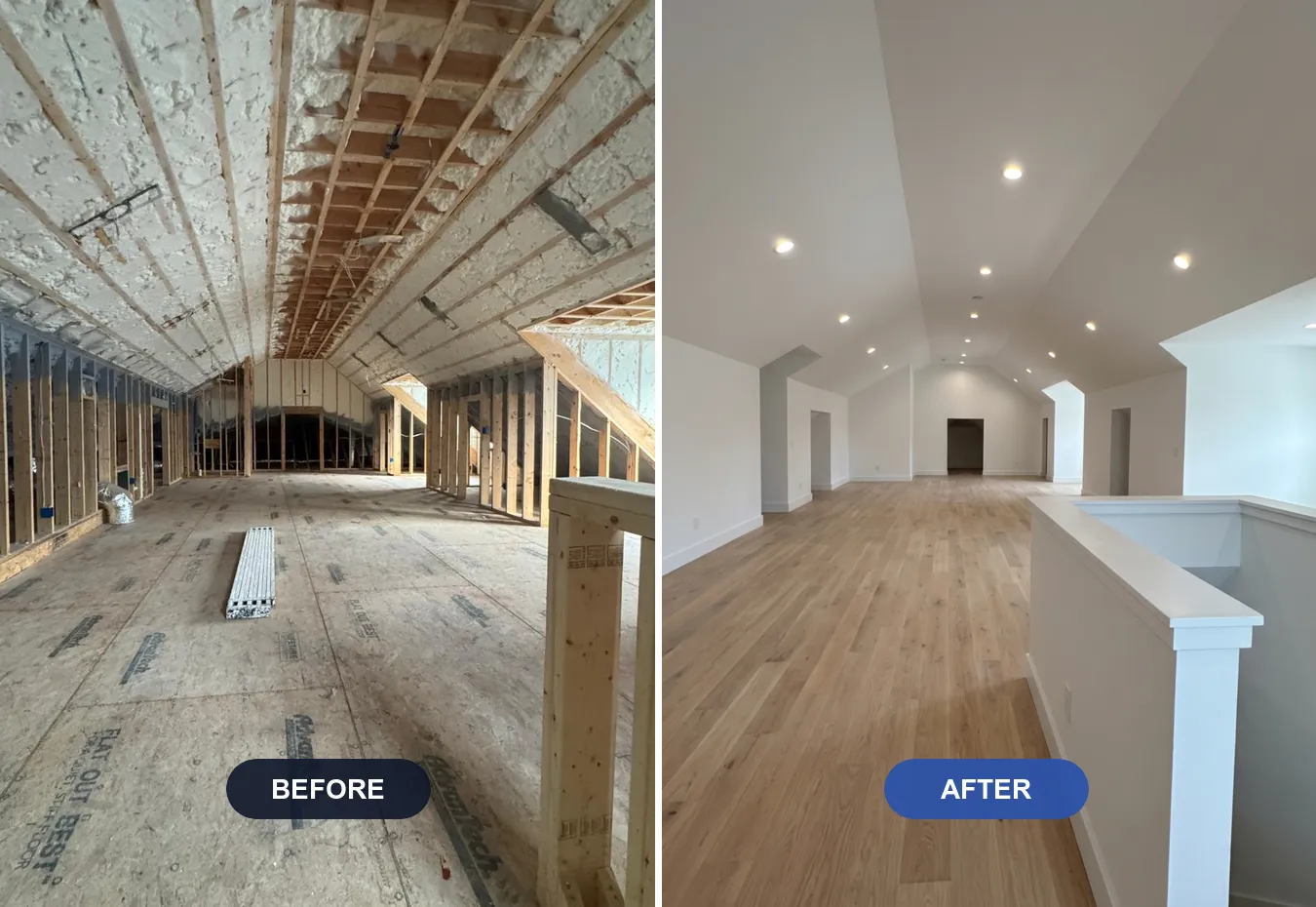 Walls & Ceilings
The New England standard for smooth, hard-wearing walls in renovations, additions and new builds.
Learn moreTell us about your project. We put the scope and value in writing before any price, and the owner answers directly.
Four quick steps. The owner replies within one business day.
Prefer to talk? Call (617) 461-7575
One tap. Your call goes straight to the owner.
Or call now: (617) 461-7575